Dreaming about life near the water in Toms River, but not sure if a waterfront address is really the right fit? That is a common question, especially when the lifestyle difference between lagoon living and inland neighborhoods can be bigger than many buyers expect. If you are weighing boat access and bay views against more traditional suburban space and simpler upkeep, this guide will help you compare both paths with more confidence. Let’s dive in.
Two Very Different Toms River Lifestyles
Toms River gives you more than one version of homeownership. On one side, you have waterfront and lagoon neighborhoods tied to Barnegat Bay, creeks, and canals. On the other, you have in-town and inland areas centered around the downtown core, Hooper Avenue, Route 9, and larger residential subdivisions.
The township’s land use materials identify bayshore neighborhoods such as Gilford Park, Bay Shore, Shelter Cove, East Dover, Snug Harbor, Green Island, and Silverton. Downtown, by contrast, is described as a civic and commercial center, with redevelopment plans that include more mixed-use housing near the bus depot. In simple terms, you are often choosing between a water-centered lifestyle and a more conventional suburban one.
What Waterfront Means in Toms River
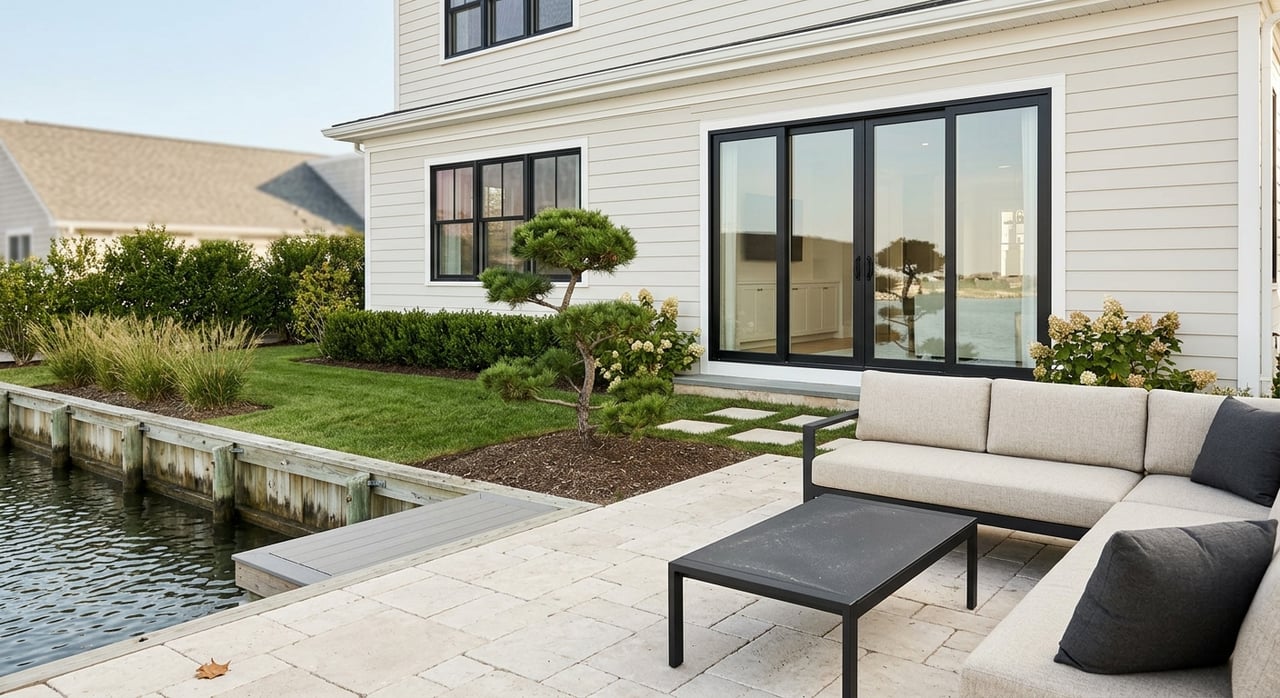
In Toms River, waterfront living often means lagoon, bayfront, or canal-side homes with direct or near-direct water access. These neighborhoods attract buyers who want boating convenience, open views, and a stronger connection to the shore lifestyle. The appeal is easy to understand if you picture mornings on the dock and evenings spent outside by the water.
Shelter Cove is one example the township specifically describes as a small lagoon neighborhood on the north side of Goose Creek, east of Fischer Boulevard and south of Bay Avenue. Green Island is another lagoon area on the eastern tip of Silverton. Even within shoreline neighborhoods, though, conditions can vary from block to block.
The township notes that Shelter Cove is almost entirely within an AE flood zone. In Silverton, about half of the eastern and southern area is in a flood hazard area, while inland portions are not. That means two homes that seem close together on a map may come with very different flood-related considerations.
Common Waterfront Features
Waterfront homes in Toms River often market features that support shoreline use and outdoor living. Recent listings in areas like Green Island and Shelter Cove have highlighted:
- Docks
- Boat lifts
- Vinyl bulkheads
- Composite decking
- Bayfront or water views
- Gazebos
- Pools
- Large outdoor entertaining areas
If your goal is easy boating access or a property that feels like a year-round shore retreat, these features can be a major draw. They are also part of why waterfront inventory often feels more specialized than the broader Toms River market.
What In-Town or Inland Living Looks Like
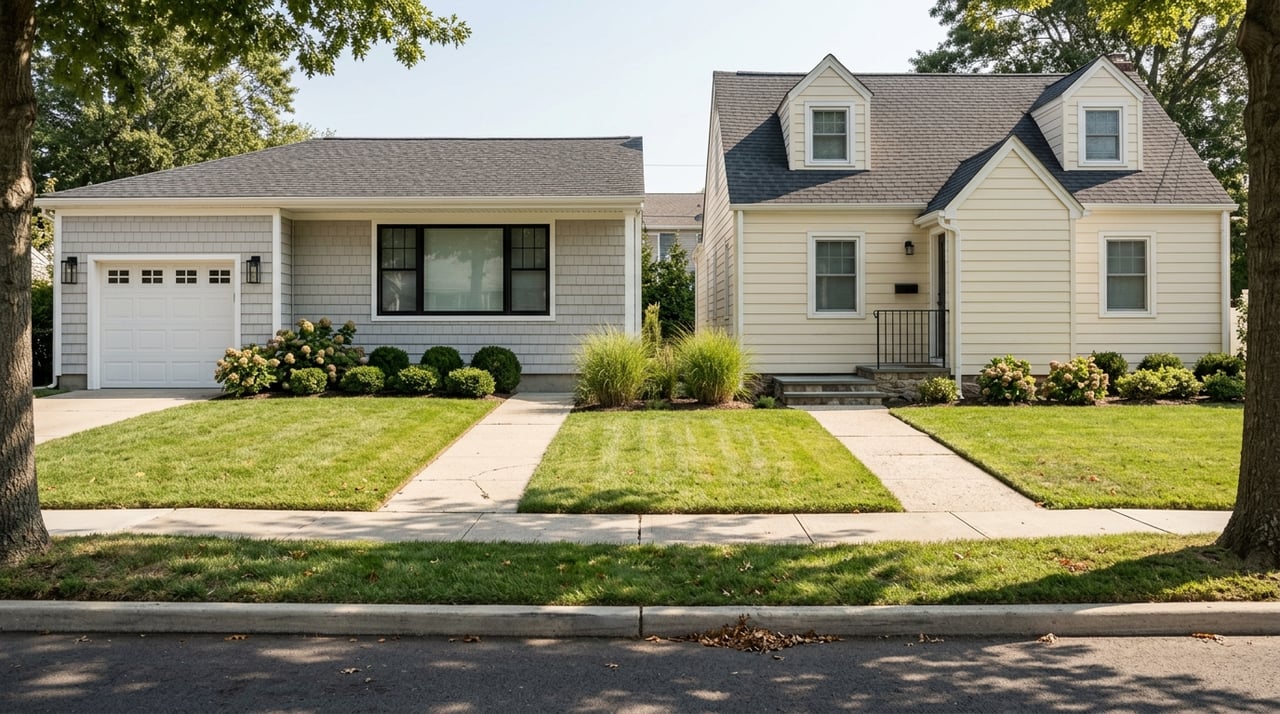
If you hear "in-town" and imagine a dense, walkable downtown, Toms River may feel a little different. The township describes downtown today as mostly commercial, civic, and office-oriented, with relatively sparse residential use. While more mixed-use housing is planned in the downtown waterfront area, much of what buyers think of as in-town living in Toms River is still suburban in character.
That usually means neighborhoods around Hooper Avenue, Route 9, North Dover, and Pleasant Plains. These areas tend to offer more traditional residential patterns, larger subdivisions, and easier access to shopping, everyday services, and civic buildings. For many buyers, that translates to a practical lifestyle with more housing variety.
Common Inland Features
Inland homes often emphasize interior space, yard size, and flexibility. Recent non-waterfront style examples in Toms River have featured:
- Larger lots
- Two-car garages
- Basements
- Driveways
- Home offices
- Fenced yards
- Sunrooms
- In-ground pools
This type of home can be a strong fit if you want room to spread out without taking on shoreline-specific ownership issues. You can still enjoy local outdoor amenities too, since Toms River maintains 18 public parks and 4 beaches.
Lifestyle Questions to Ask Yourself
The best choice usually comes down to how you want to live day to day. Waterfront homes can feel exciting and distinctive, but they also come with tradeoffs that do not matter as much inland. A clear look at your priorities can help you narrow your search faster.
Ask yourself a few simple questions:
- Do you plan to boat often enough to justify paying for direct water access?
- Is having a view more important to you than having a larger lot or basement?
- Are you comfortable with the extra due diligence that can come with flood zones and shoreline structures?
- Would you rather have a more conventional suburban layout with simpler maintenance?
- Do you want niche inventory, or would you prefer a broader range of options?
If your answer leans heavily toward boating, waterfront entertaining, and scarcity, the bayshore side of Toms River may be worth the extra complexity. If you want flexibility, easier upkeep, and more choice, inland neighborhoods may be the better fit.
Pricing Is Not One-Size-Fits-All
One of the biggest mistakes buyers make is assuming all waterfront homes are automatically at the top of the market and all inland homes are the budget option. The real picture in Toms River is more layered. Location near the water matters, but so do lot size, housing stock, neighborhood type, and property condition.
Current market snapshots show the average Toms River home value at $459,413, with homes going pending in about 23 days. By ZIP code, 08753 is at $538,026, 08755 is at $524,060, and 08757 is at $345,524. That puts 08753 and 08755 above the township average, while 08757 sits well below it.
What does that tell you as a buyer? It suggests that premium pricing is not only about waterfront status. Some inland or less water-oriented areas can still command strong values based on neighborhood pattern, lot characteristics, and housing mix.
Waterfront Inventory Is Tighter
Inventory also behaves differently near the water. Recent waterfront search snapshots showed 50 waterfront homes in Toms River overall, including 39 in 08753 and 10 in the Shelter Cove waterfront neighborhood. That limited supply can make waterfront homes feel more competitive and less interchangeable.
Price range matters too. Recent examples of waterfront listings in Green Island and Shelter Cove were around $790,000 and $1.57 million. Those are just examples, not neighborhood averages, but they show how broad the waterfront range can be depending on views, lot position, dock setup, and overall upgrades.
Flood Risk and Carrying Costs Matter
Waterfront living in Toms River is closely tied to flood awareness. The township’s floodplain management information says a coastal storm is always a possibility, and several local areas are in FEMA flood hazard areas along Barnegat Bay, the Toms River, Long Swamp Creek, Silver Bay, Polhemus Creek, and the Atlantic Ocean. NJDEP also notes that coastal hazards can affect properties outside mapped high-risk areas.
For buyers, that means flood review should happen early. It is not something to leave for the last minute after you are emotionally attached to a home. A house can be beautiful on the water and still require a very different monthly budget than a similar inland home.
Ready.gov states that standard homeowners insurance does not cover flood damage. In practical terms, flood insurance should be treated as a normal part of the cost conversation for many waterfront properties, not as an afterthought.
Verify Flood Status Early
The township says flood-zone maps can be reviewed at the Engineering Department, and written flood-zone determinations are available. Township staff also note that they cannot provide flood-zone determinations over the phone. That makes formal verification an important first step when you are comparing waterfront homes.
This is especially important in neighborhoods where flood exposure can shift from one section to another. A broad neighborhood name is helpful, but it does not replace property-specific review.
Shoreline Maintenance Is a Real Factor
Owning along a lagoon or bayfront can mean more than just enjoying the view. NJDEP notes that bulkheads are common along residential waterfront property, and its coastal permitting guidance addresses maintenance or replacement of existing bulkheads as well as dredging in man-made lagoons. Those are not issues most inland homeowners deal with.
That does not make waterfront ownership a bad idea. It simply means you should factor in a different type of upkeep and due diligence. If you are comparing a lagoon home to an inland colonial, the monthly and long-term maintenance picture may be very different even if the sale prices are not worlds apart.
Which Option Fits You Best?
If you want lifestyle, water access, and a more limited, niche type of inventory, waterfront living may be the right move. You may pay more for location and take on added flood and shoreline considerations, but for the right buyer, the tradeoff is worth it. The value is not just in the house itself, but in how you use it.
If you want more housing choice, a simpler ownership profile, and the benefits of a suburban setting, in-town or inland living may make more sense. You can still enjoy parks, beaches, and the broader Toms River lifestyle without taking on waterfront-specific complexity. For many buyers, that balance feels practical and comfortable.
The key is matching the property type to your real priorities, not just the dream version of the address. When you do that, your decision gets much clearer.
If you are comparing waterfront and inland homes in Toms River, working with a local expert can help you sort through neighborhood differences, inventory trends, and property-specific details with less guesswork. For tailored guidance on the Toms River market, connect with Camille Simms.
FAQs
What is considered waterfront living in Toms River?
- Waterfront living in Toms River usually refers to lagoon, bayfront, or canal-side homes in areas such as Shelter Cove, Green Island, Silverton, and other bayshore neighborhoods identified by the township.
What is considered in-town living in Toms River?
- In-town living in Toms River typically refers to homes near the downtown core, Hooper Avenue, Route 9, and inland residential areas such as North Dover and Pleasant Plains, which are generally more suburban than urban in layout.
Are waterfront homes in Toms River always more expensive?
- Not always. Current market data shows that some ZIP codes associated with inland housing are also above the township average, so pricing can reflect more than water access alone.
Do waterfront homes in Toms River require flood insurance?
- Many waterfront buyers should expect flood insurance to be part of the cost discussion because standard homeowners insurance does not cover flood damage, and several local waterfront areas are in flood hazard zones.
How can you verify a flood zone for a Toms River property?
- The township says flood-zone maps can be reviewed at the Engineering Department, and written flood-zone determinations are available.
What are the benefits of inland living in Toms River?
- Inland living often offers more housing choice, features like garages and basements, and a simpler ownership profile without the same level of shoreline-related maintenance.