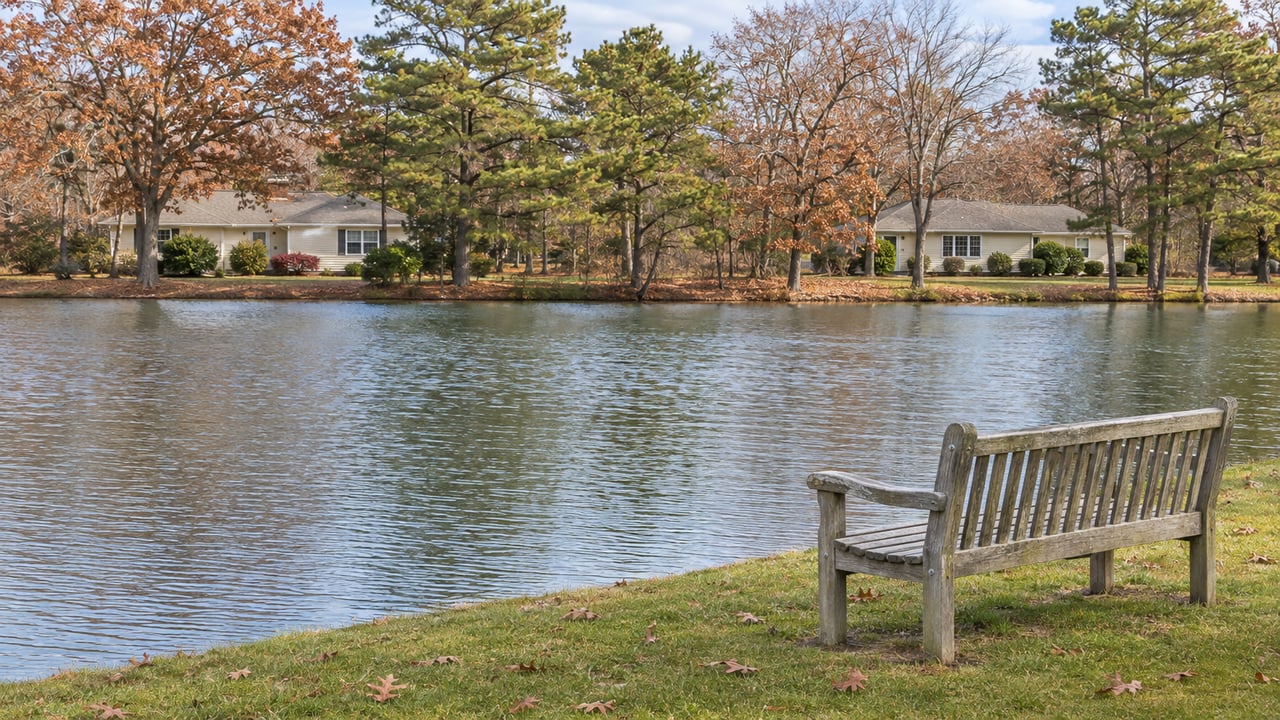
Head down Hilliard Boulevard past the Manahawkin Elks and the parking area for the pheasant fields is on your left. At the other end of the tract, Stafford Avenue runs straight out to the impoundments and Cedar Creek. Both entrances lead into the same 1,790 acres of woodland, field and salt marsh, a tract the state began acquiring in 1933.
From now until late winter, those two entrances also bring two groups of visitors to the same ponds. NJDEP's profile of the Manahawkin Wildlife Management Area says its four constructed ponds draw black ducks, mallards, widgeon and teal, with some geese early in the season. The same profile lists upland game, waterfowl and deer hunting, and it notes that pheasants are stocked during the season. The birds that make a December walk worthwhile are the same birds the hunters come for, so the week here runs on the state's hunting calendar.
Sunday on the Marshes
New Jersey's Sunday rules are narrow. Under the Sunday hunting entry in the 2026–27 Hunting & Trapping Digest, Sunday deer hunting is archery only. The pheasant section says there is no Sunday hunting outside commercial and semi-wild preserves. Squirrel and rabbit seasons are closed on Sundays.
A Sunday walk to the Stafford Avenue ponds can still cross paths with a bowhunter in the woods. Monday through Saturday, depending on the week, duck, pheasant and rabbit seasons may be open. Sunday is generally quieter.
The WMA has its own hours too. NJDEP's WMA regulations describe these tracts as shared, multi-use land where every visitor is expected to respect other legal users and carry out their trash. They also close WMAs to everyone from 9 p.m. to 5 a.m., except for people lawfully hunting, fishing or trapping.
How the Weekdays Fill Up, Month by Month
The pressure builds through the fall and peaks in early December. Several schedules overlap at Manahawkin.
Start with the duck calendar. The state draws its Coastal Zone boundary along the Garden State Parkway, and everything seaward of that line is in the zone. That puts the WMA, out Route 72 east of the Parkway, inside the Coastal Zone. The deer calendar depends on the deer zone. The WMA sits in Deer Management Zone 51, which falls under the state's "High" regulation set for 2026–27.
November
Pheasant season opened Nov. 7 and runs to Jan. 31, and Manahawkin is on the 2026 stocking schedule. Permit bow season for deer has been open since Oct. 31. According to the NJDEP migratory game bird page, the Coastal Zone's Youth Waterfowl Day is Saturday, Nov. 14, and the regular Coastal Zone season for ducks and Canada geese opens Saturday, Nov. 21. Nov. 21 is also Youth Firearm Day for deer in the High-set zones.
Thanksgiving week is busier than most. Antlerless-only permit shotgun and muzzleloader days fall on Nov. 23, 24, 25 and 27. Thanksgiving Day is not on that list. The first Coastal Zone brant split runs Nov. 26 through 28.
December
The six-day firearm deer season runs Monday, Dec. 7, through Saturday, Dec. 12, and antlerless permit shotgun and muzzleloader days fall on those same dates. Pheasant, squirrel and rabbit seasons close that week, and again on Dec. 16. Firearm deer week is the heaviest week of the winter.
After that, the either-sex permit shotgun dates run Dec. 14 through 18, and the permit muzzleloader season continues through most of the rest of the month. The second Coastal Zone brant split begins Dec. 24.
January through Feb. 20
The Coastal Zone duck and goose season ends Jan. 29, and brant ends Jan. 23. Pheasant ends Jan. 31. The deer seasons run longer. Permit shotgun, permit muzzleloader and winter bow are all open Jan. 1 through Feb. 20, 2027, and so are squirrel and rabbit. Once duck season closes in late January, the ponds are quieter. Deer hunting in the woods continues until Feb. 20.
The Area's Winter Plans Already Favor Sundays
Local organizers are already planning around this. The Tuckerton Christmas Bird Count is tentatively set for Saturday, Dec. 19, and the Southern Ocean Birding Group says it may move the count to Sunday to avoid hunters. The count circle covers 15 miles, and the group says the parts that overlap Long Beach Island and Forsythe are covered by the older Barnegat and Oceanville counts.
Ocean County scheduled the Annual Affair at Cedar Bridge Commemoration for Dec. 6, with Jan. 3, 2027, as the snow date. Both dates are Sundays, and Dec. 6 is the day before firearm deer week opens. The Cedar Bridge Tavern Historic Site grounds are open dawn to dusk and have a 3.5-mile trail. That makes Cedar Bridge a good fit for that Sunday, with a walk built around the event.
When the Walk Has to Happen on a Weekday
The best nearby alternative is on the causeway. The Cedar Bonnet Island Trail is a 1.5-mile loop in Manahawkin, part of Edwin B. Forsythe National Wildlife Refuge, and the refuge's visitor page lists it as open year-round for hiking, walking and birdwatching. The refuge describes it as best from March through October, so in winter the draw is the restored salt marsh more than the wildflowers.
Federal refuges have their own rules. The state digest says hunting on national wildlife refuges is not permitted unless an area is specifically opened, and Sunday hunting is banned on every refuge. Forsythe does open some of its land to waterfowl and deer hunting. The refuge's hunting maps show which areas are open.
Other good spots for winter waterfowl:
- Holgate: The southern tip of Long Beach Island is open for walking and driving below the berm crest from Sept. 1 to March 31. The dunes above the berm are closed all year, dogs and fires are not allowed, and beach driving requires a Long Beach Township permit.
- Barnegat Lighthouse State Park: The park page lists red-breasted mergansers, common eiders and harlequin ducks, plus a 0.2-mile self-guided loop on the Maritime Forest Trail. The gate is open 8 a.m. to 6 p.m., and there is no entrance fee.
- Forsythe Wildlife Drive: This 8-mile drive in Oceanville is open year-round and has observation towers at Gull Pond and Turtle Cove. The refuge charges $4 per car, keeps the drive and trails open sunrise to sunset, and notes large wintering populations of American black ducks and Atlantic brant.
Some of the same species show up in more than one place. Black ducks use both the WMA ponds and Forsythe. Brant, which the hunting calendar lists separately, are among the main wintering birds on the refuge. Holgate and Barnegat Lighthouse add sea ducks such as harlequins and eiders, which the WMA profile does not list.
This is general information, not legal advice, so check the current NJ Fish & Wildlife pages or call the refuge before you plan around a specific rule.
Living near the Manahawkin marshes means knowing these local schedules, from which Sunday has the county event to which week the ponds are busiest. If you're thinking about a home close to Hilliard Boulevard, Stafford Avenue or the causeway, Camille A Simms can walk you through what each part of Stafford Township is like through the seasons. Request your free home estimate and marketing plan, and we can start there.