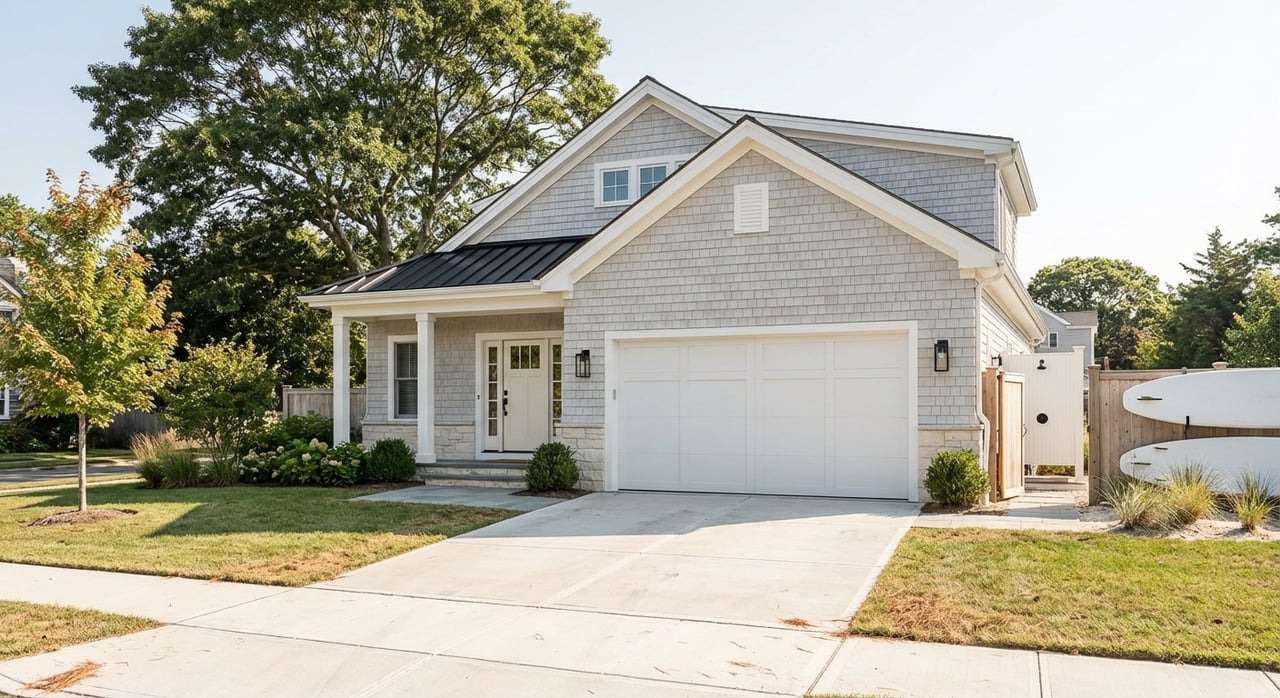
Thinking about moving to the Jersey Shore but want a plan that feels practical, not overwhelming? Toms River gives you coastal access, suburban space, and multiple ways to reach New York City. If you are weighing neighborhoods, commute options, costs, and flood considerations, this guide walks you through what matters so you can decide with confidence. Let’s dive in.
Toms River at a glance
Toms River is a large Ocean County township on New Jersey’s mainland shore with direct access to Barnegat Bay and the barrier islands. You’ll find distinct areas around downtown, Route 37, and the North Beach and Ortley Beach centers, each shaped by local planning and resiliency work. For a quick sense of scale, the township’s population is about 99,800 residents, according to the latest Census estimate. You can see how planners group corridors and centers in the township’s smart growth materials for added context.
- Population estimate: about 99,800 (U.S. Census QuickFacts)
- Key corridors: Garden State Parkway, Route 37, Hooper Avenue/CR 549, and Route 9
- Setting: mainland shore with barrier-island and back-bay neighborhoods
Sources: U.S. Census QuickFacts, Township planning overview
What homes cost right now
Public market trackers use different methods, so you’ll see a range:
- Zillow’s typical home value (ZHVI) for Toms River is around 447,500 dollars (data through Jan. 2026).
- Realtor.com’s township page shows a higher median listing price around 559,900 dollars.
Use these as directional markers rather than exact targets. Inventory shifts by neighborhood and property type, and pricing for waterfront or newly built homes skews higher. As a quick budget map:
- Entry/starter: about 200,000 to 375,000 dollars for condos, small ranches, and some attached homes.
- Mid-range family homes: about 350,000 to 700,000 dollars for 3 to 4 bed single-family homes, updated ranches, and split-levels.
- Bayfront, large-lot, or renovated: about 700,000 to 1.5 million dollars and up, with select premium waterfront sales above 2 million dollars.
Rental datasets for the township show average or median asking rents in the low 3,000s. If you plan to rent first, build that into your move timeline and budget.
Tip: Ask for a live, curated list of homes that match your band and timing. Inventory changes daily, and seeing real examples will sharpen your plan.
Neighborhood cheat sheet
Here’s a simple way to match lifestyle to the right pocket of town.
Barrier-island beaches
Ortley Beach, the Ocean Beach sections, and Normandy Beach sit on the barrier island with beach-focused living and smaller lots. Expect seasonal peaks, beach-badge systems, and higher exposure to storm surge and tidal flooding. Parking is tighter in summer, and Route 37 is your main link back to the mainland.
Bayfront and riverfront
Waterfront neighborhoods along Barnegat Bay and the Toms River include Shelter Cove and Snug Harbor. Many homes here offer docks, lagoons, or quick marina access, which commands premium pricing. If boating is your priority, factor slip availability and insurance into your planning.
Inland and suburban
Most of Toms River is inland with a wide mix of single-family homes: ranches, split-levels, Cape Cods, colonials, and newer traditional builds. Areas west of Route 9 and Hooper Avenue often provide larger lots and more yard space. Established subdivisions and park-adjacent pockets appeal to year-round living.
55-plus and active-adult
You’ll find multiple active-adult options in and around Toms River, including Silver Ridge, Holiday City, and Leisure Village communities. These typically offer lower-maintenance living with social amenities and are often priced below single-family waterfront homes.
Getting around and commuting
Driving is straightforward once you learn the main grid. The Garden State Parkway is the primary north-south artery, Route 37 connects to the barrier island, and Hooper Avenue/CR 549 and Route 9 handle much of the local north-south flow.
- Park-and-ride hub: Toms River’s staffed bus terminal and park-and-ride near Garden State Parkway Exit 81 serves as the main commuter center with daily parking and ticketing. Review details on the Toms River Bus Terminal page.
- Express bus to NYC: NJ Transit Route 137 runs express service between Toms River’s terminal and Port Authority Bus Terminal in Midtown. Seasonal or express variants, along with routes to Newark or Journal Square, may operate based on schedule. Check current times on NJ Transit’s Route 137 page.
- Typical one-way timing: Many published schedules and aggregator pages show about 90 to 95 minutes one way from the park-and-ride to Midtown, depending on departure time and route. Traffic, weather, and season can shift this, so do a trial trip.
Local tip: Build extra time on summer Fridays and weekends when beach traffic impacts Route 37 and the barrier-island bridges.
Schools, healthcare, parks, and daily needs
- Schools: Toms River Regional School District serves most of the township with 18 schools and enrollment around 14,488 students. For program and boundary questions, start with official district resources and the NCES district profile. Ocean County Vocational-Technical programs add career-track options.
- Hospitals and care: Community Medical Center in Toms River is part of the RWJBarnabas Health network and provides emergency, cardiac, cancer, and surgical services, along with graduate medical education. Learn more through RWJBarnabas Health’s Community Medical Center page. For specialty care, many residents use tertiary centers in nearby counties.
- Shopping and services: The Route 37 and Hooper Avenue corridors cover most daily needs with supermarkets, big-box retail, and service providers. Downtown Toms River hosts municipal services, smaller shops, and seasonal events.
- Parks and recreation: Cattus Island County Park spans 530 acres with trails, boardwalks, and an environmental center. It is a local favorite for low-key weekends and nature time. Explore details at Ocean County Parks’ Cattus Island page. Island parks and nearby state beaches round out the shoreline options.
Flood risk and shore realities
Back-bay and barrier-island sections of Toms River face storm-surge and tidal-flood exposure. The U.S. Army Corps of Engineers’ New Jersey Back Bays study outlines the region’s vulnerability and long-term coastal risk management planning. Review the latest updates in the USACE Back Bays study.
For any address you consider, run a check through FEMA’s Flood Map Service Center to understand zone designation and elevation relative to current maps. New NFIP policies typically have a 30-day waiting period, and underwriting reflects zone, elevation, age, and construction type. Start early and request elevation certificates and any recent flood-insurance history from sellers or insurers. Visit the FEMA Flood Map Service Center to get started.
Recurring costs to plan for
- Property taxes: Ocean County medians often fall in the low-to-mid-thousands annually, but bills vary by municipality, assessed value, and improvements. For accurate planning, review the parcel’s current assessment and tax history. You can locate assessor resources via Ocean County’s tax assessor portal.
- Insurance: Flood-zone designation, elevation, age, and construction type drive flood and wind coverage costs. Ask for elevation certificates, prior storm claims, and confirmation of VE, AE, or X zone status. Get quotes from both NFIP and private carriers during attorney review, not after.
Your due diligence checklist
Use this quick list for every address you consider:
- Run the property through FEMA’s Flood Map Service Center. If applicable, request the elevation certificate and review NFIP requirements.
- Ask the seller or listing agent about any flood or hurricane claims and whether mitigation grants or regional programs affected the parcel. The USACE Back Bays study provides useful context.
- Confirm school assignment with official district tools and cross-check the NCES district profile before making school-related plans.
- Do a timed trial commute. Test the express bus from the Toms River Bus Terminal or drive the route during your actual work hours, including summer.
- Pull property-level tax records and the latest assessment via the Ocean County tax assessor resource. Get preliminary flood and homeowners insurance quotes.
Make your move smoother
Relocating works best with a clear plan and local guidance. You will benefit from a tailored neighborhood shortlist based on your lifestyle, a live set of listings by budget band, commute tests that match your schedule, and early flood and insurance checks to prevent surprises. If you are selling a home as part of the move, a data-driven pricing and marketing plan will protect your timeline and net.
Have questions or want a custom relocation game plan? Reach out to Camille Simms for neighborhood-level guidance, curated listings, and a streamlined, tech-enabled process from first tour to closing.
FAQs
What is the typical home price in Toms River?
- Public trackers show different measures, but current figures point to a typical value near 447,500 dollars and a median listing price near 559,900 dollars; use them as directional guides and verify with live listings.
Which Toms River areas offer boating access?
- Bayfront and riverfront pockets such as Shelter Cove and Snug Harbor often feature docks, lagoons, or marina access and typically command premium pricing compared with inland homes.
How do I commute to NYC from Toms River without driving?
- The park-and-ride terminal near Garden State Parkway Exit 81 serves NJ Transit Route 137 express buses to Midtown, with many trips around 90 to 95 minutes depending on schedule and traffic.
How can I check a home’s flood risk before I write an offer?
- Look up the address in FEMA’s Flood Map Service Center, review the zone, request the elevation certificate from the seller, and get early quotes for NFIP and private flood coverage.
Which public schools serve Toms River?
- Toms River Regional School District operates 18 schools; confirm specific school assignments with official district tools and the NCES district profile.
What should I budget for property taxes?
- Bills vary by assessment and municipality; county medians often fall in the low-to-mid-thousands. Review the parcel’s assessment and recent tax history through the county assessor before finalizing your budget.